
Water Damage Restoration Cost in Dallas: What Drives the Price
What moves a Dallas water damage restoration bill up or down, what an estimate should list, and where insurance fits in.
Read the guidePick what you're dealing with and we'll show you what we do first. Or skip all that and call. We're open any hour, any day.
We help you shut off the supply, pull out the standing water, then map how far it spread under the floor and into the walls.
Tick each one off as you go. Stuck on a step? Call (469) 306-9109 and we'll talk you through it.
Extraction, drying, mold prevention and the rebuild, run as one project so nothing falls between contractors.
 Start to finish
The whole job in one plan: stop the water, dry the building, clean up and put the rooms back the way they were.
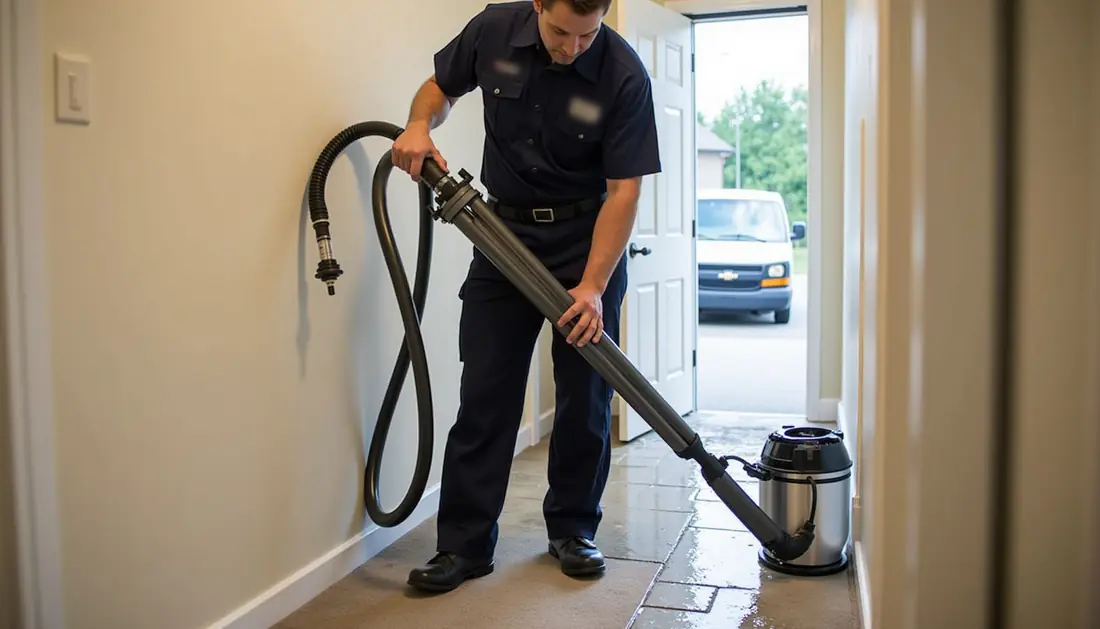
Extraction and cleanup after frozen or failed supply lines, something Dallas sees a lot of during February freezes.
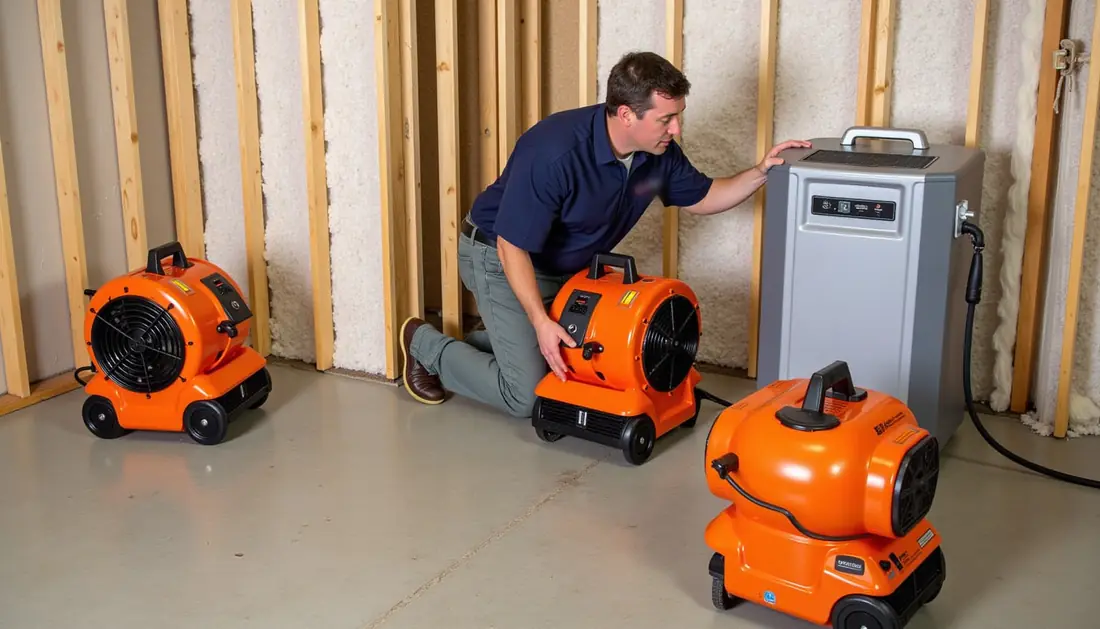
Drying framing, subfloors and wall cavities with air movers and dehumidifiers.
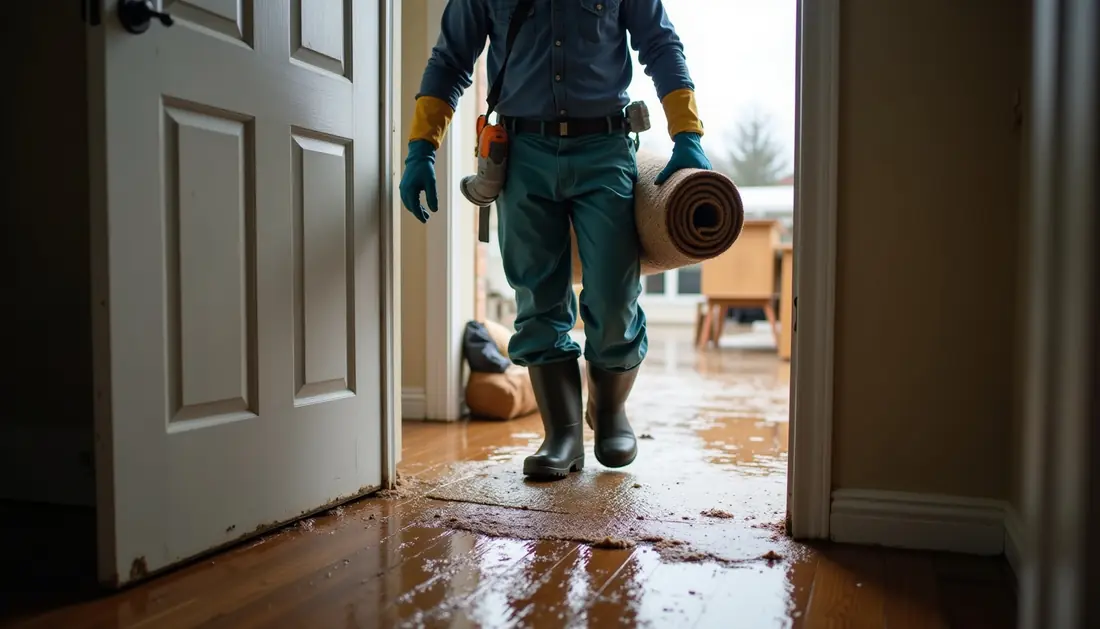
Removing storm water, mud and contaminated materials after heavy rain.
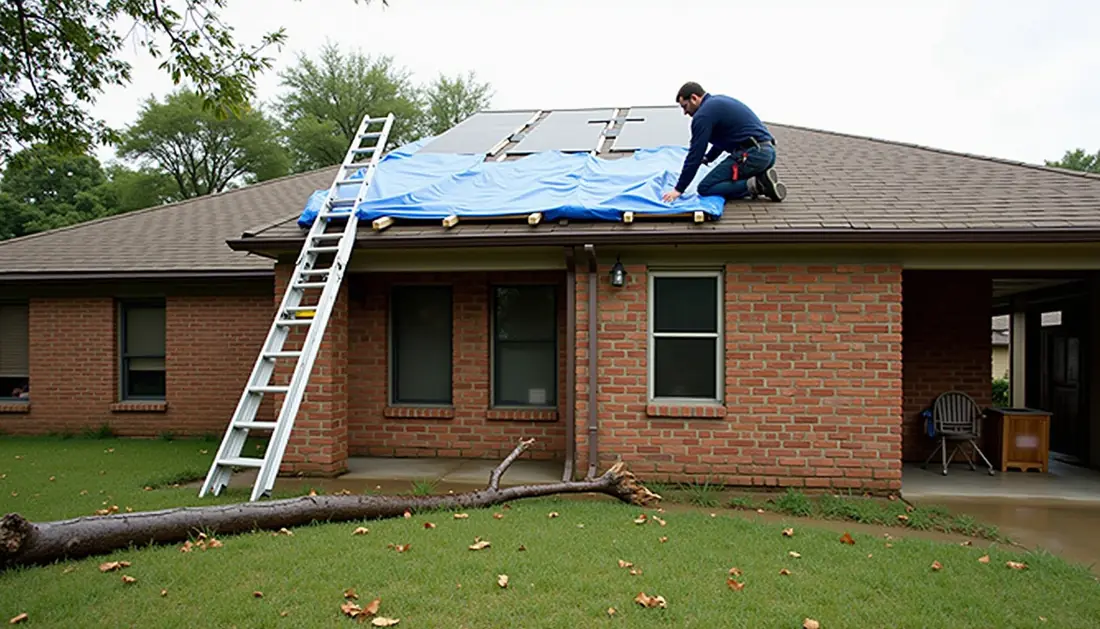
Drying attics, ceilings and walls after hail cracks shingles, skylights and windows.
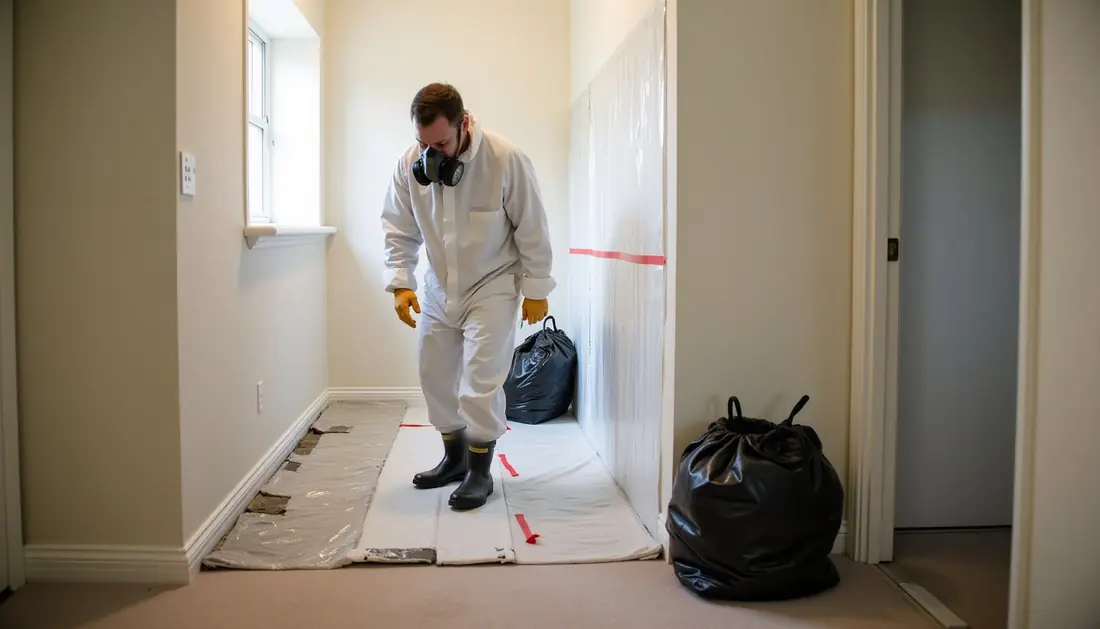
Cleanup after a toilet overflows onto bathroom floors and into nearby rooms.
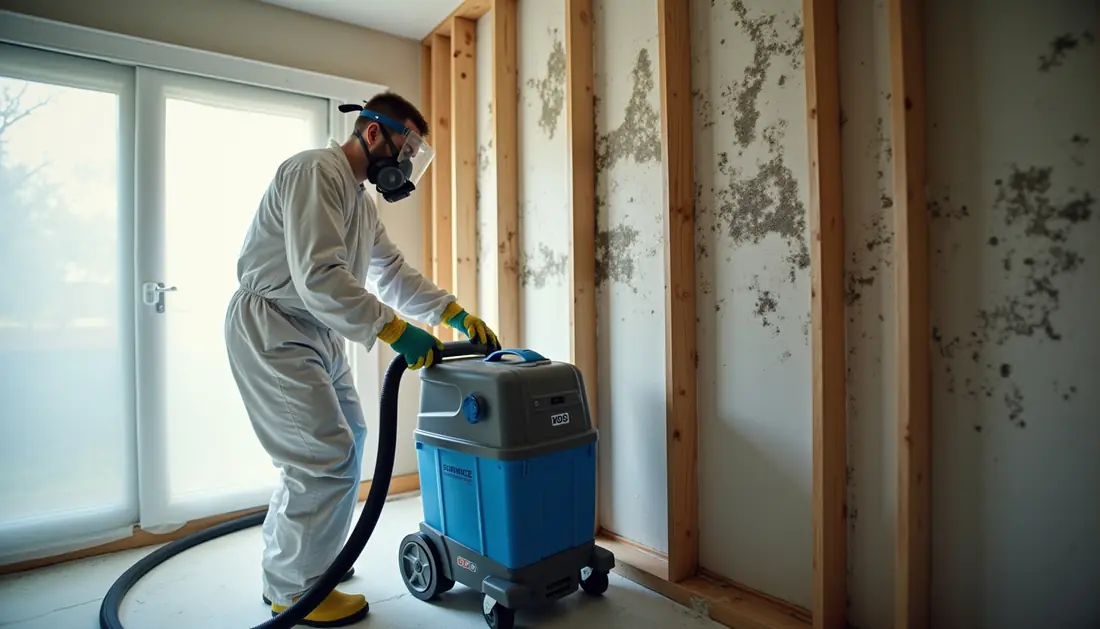
Fast drying, daily moisture readings and antimicrobial treatment so mold doesn't get a start.
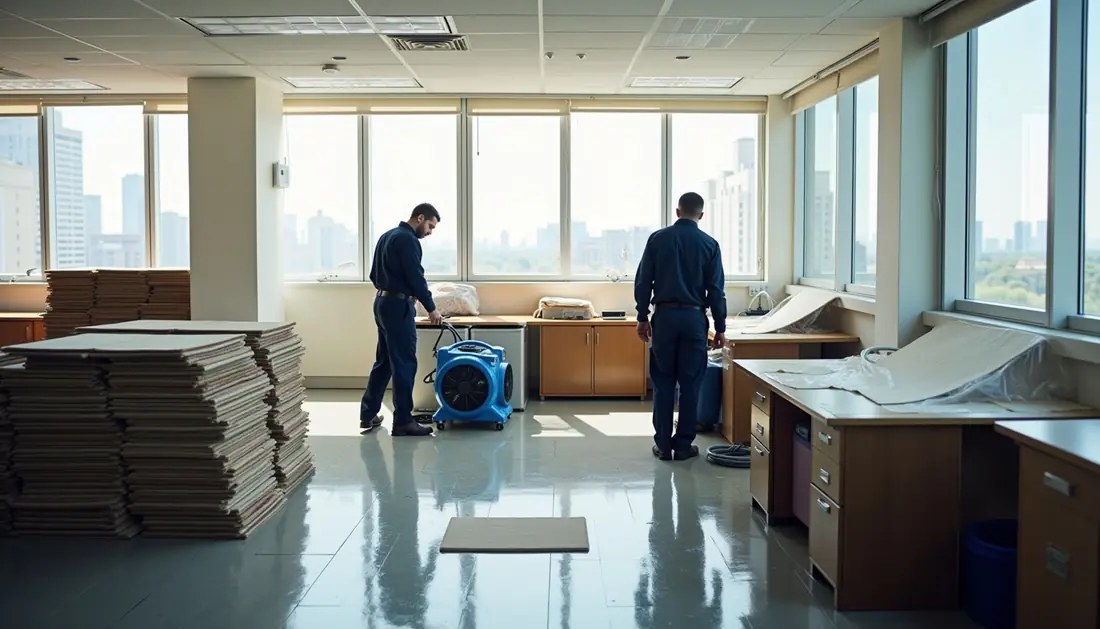
Drying and cleanup planned around business hours to keep downtime low.
We help you shut off the water and the power to affected areas, find the source and classify the water as clean, grey or black. That classification decides how every material gets handled.
Truck-mounted and portable extractors pull water out of carpet, pad, hard floors and wall cavities. Removing water as liquid is far quicker than evaporating it later.
Meters and thermal imaging show how far the water really went. Saturated pad, swollen particleboard and contaminated drywall come out. Anything that can be dried in place stays.
Air movers and low-grain refrigerant dehumidifiers dry the structure, usually over 3 to 5 days. We log readings every day until each material reaches its dry standard.
Affected surfaces are cleaned and treated with an antimicrobial so mold can't get started inside the walls or under the flooring.
Drywall, baseboards, insulation, flooring, cabinets and paint go back in, so the room looks the way it did before the water.

Water damage in Dallas rarely looks like the flooded basements on the national news. Most North Texas homes sit on concrete slabs, so the water goes where nobody looks. It runs under laminate and engineered wood, wicks into the bottom two feet of drywall and pools behind kitchen cabinets. Under an attic water heater or AC condensate line, it soaks the ceiling insulation. By the time you notice a stain, it has usually been soaking in for hours.
Water Restoration Fix is here to stop that spread fast and fix it properly. Every job runs in the same order. We stop the source, pull out the standing water and map the moisture with meters and a thermal camera. Then we remove only what can't be saved and dry the structure with commercial dehumidifiers and air movers until the readings match the dry parts of the building. Only after that do we rebuild.
Getting the water out fast matters. Drying it correctly matters just as much. This is how we handle water damage restoration in Dallas.
A job is finished when the moisture readings in the wet materials match a dry spot in the same building, not when the surface feels dry. You'll see the readings every day.
Slab foundations, attic water heaters, PEX and old galvanized lines, February freezes. We know how water moves through Dallas-area houses and where it likes to hide.
Photos, moisture maps, equipment logs and an itemized scope give your adjuster what they need, so your claim keeps moving.
Extraction, drying, mold prevention and reconstruction all run as one project, so nothing gets lost between contractors.
A single bathroom, an office floor, a store or a multi-unit building. The process scales up without cutting corners.
You get an itemized estimate before any work starts. We go through it line by line, including what insurance usually covers and what it usually doesn't.
The things Dallas property owners ask us most.
Right away. Drywall and flooring start soaking up water within minutes, and in Dallas humidity mold can start growing within 24 to 48 hours. How early extraction and drying begin is the biggest factor in how much of your home can be saved.
Most Texas homeowners policies cover sudden and accidental water damage, like a burst pipe or a failed water heater. Slow leaks and rising floodwater are usually excluded, and flood damage needs a separate flood policy. We document the damage so you and your adjuster can work out what's covered.
Drying usually takes 3 to 5 days for a typical clean-water loss. Repairs depend on how much material had to come out. A drywall patch might take a few days, while new flooring and cabinets can take a few weeks.
Usually, yes, if the damage is limited to part of the house and the water was clean. After a sewage backup, a large loss, or work that takes out your kitchen or your only bathroom, a short stay somewhere else is often more practical.
Mitigation is the emergency part: stopping the water, getting it out and drying the structure so the damage doesn't spread. Restoration is the repair work that rebuilds what had to be removed. We do both.
Yes. We provide the photos, moisture readings, drying logs and itemized scope adjusters ask for, and we can talk to your adjuster directly on your behalf.
Stop the water if you can reach the shut-off safely, keep away from wet outlets and cords, and take photos of everything before it gets moved. Then call us. We'll talk you through the next steps on the phone while we get on the way.
We take readings in the wet materials and compare them with the same materials in a part of the building that never got wet. The job is dry when those numbers match. You'll see the readings in your drying log every day.
Yes, air movers and dehumidifiers make a steady fan noise and they need to run day and night. We place them where they do the most good, close off the drying area where we can, and tell you how long they're likely to stay.
Dallas and the cities around it, including Plano, Frisco, McKinney, Irving, Garland, Rockwall, Arlington and Fort Worth. Each city page has a ZIP code checker so you can see right away whether your address is on our list.
No. Stopping the damage shouldn't wait. Call us to start extraction and drying, and report the loss to your insurer as soon as you can. We'll document everything so your adjuster has what they need.
What it costs, how it works and how to protect your claim.

What moves a Dallas water damage restoration bill up or down, what an estimate should list, and where insurance fits in.
Read the guide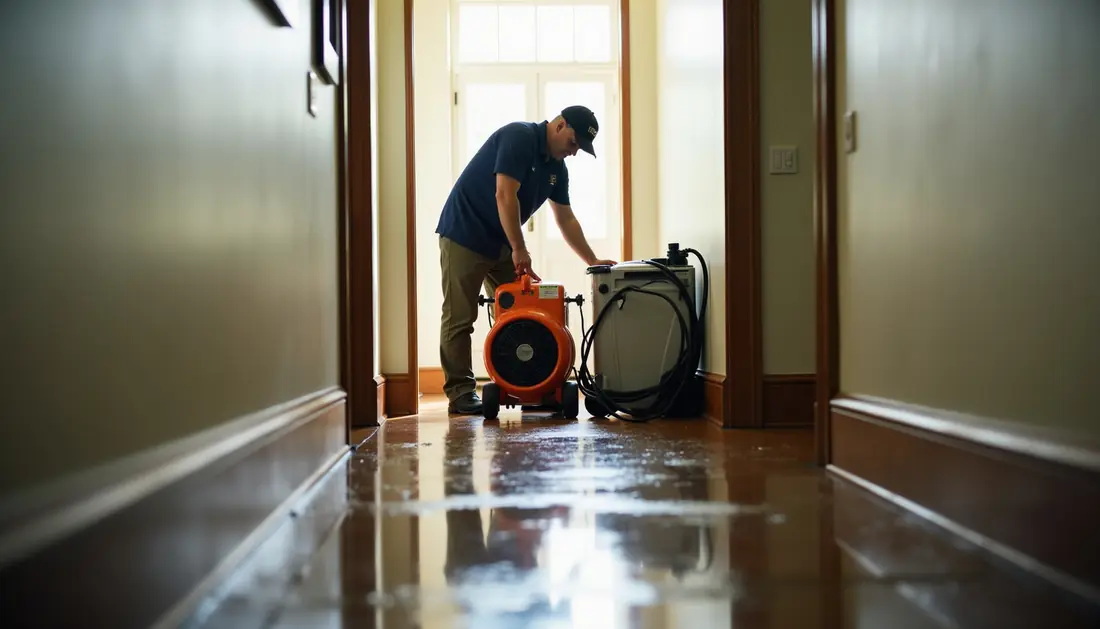
From the first phone call to the last coat of paint, this is what actually happens during professional water damage restoration.
Read the guide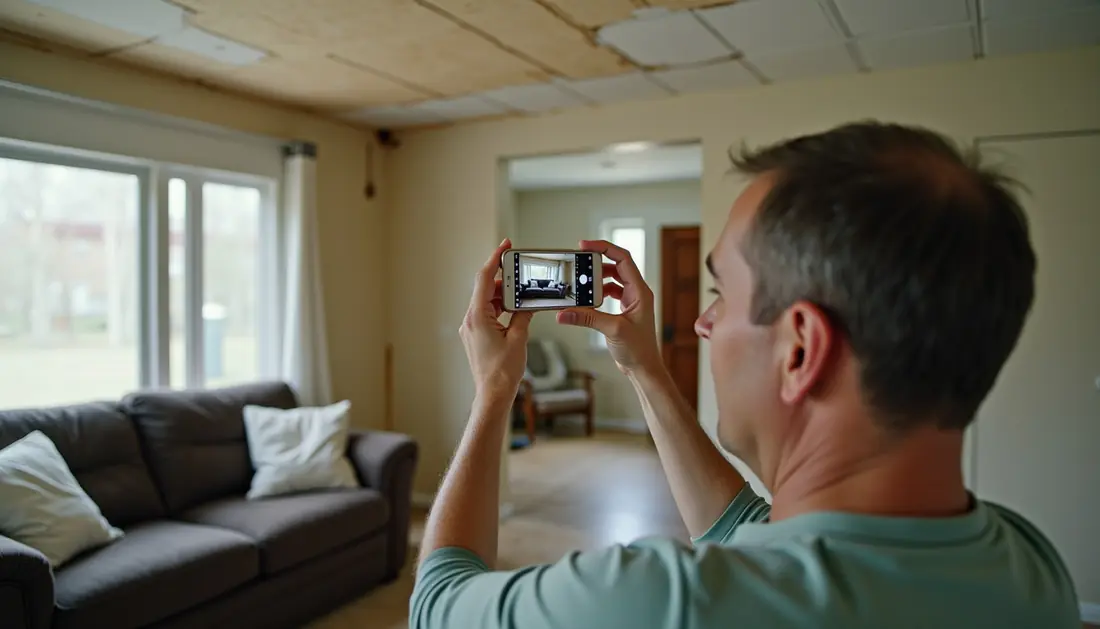
A practical guide to documenting water damage, working with your adjuster and avoiding the most common claim problems in Texas.
Read the guideEvery hour counts. Drywall and flooring start soaking up water within minutes. We're open around the clock.
(469) 306-9109Open 24 hours, 7 days a week · Dallas and nearby cities